UAE Joins US and Israel in Secret Military Strikes on Iran, WSJ Report Reveals
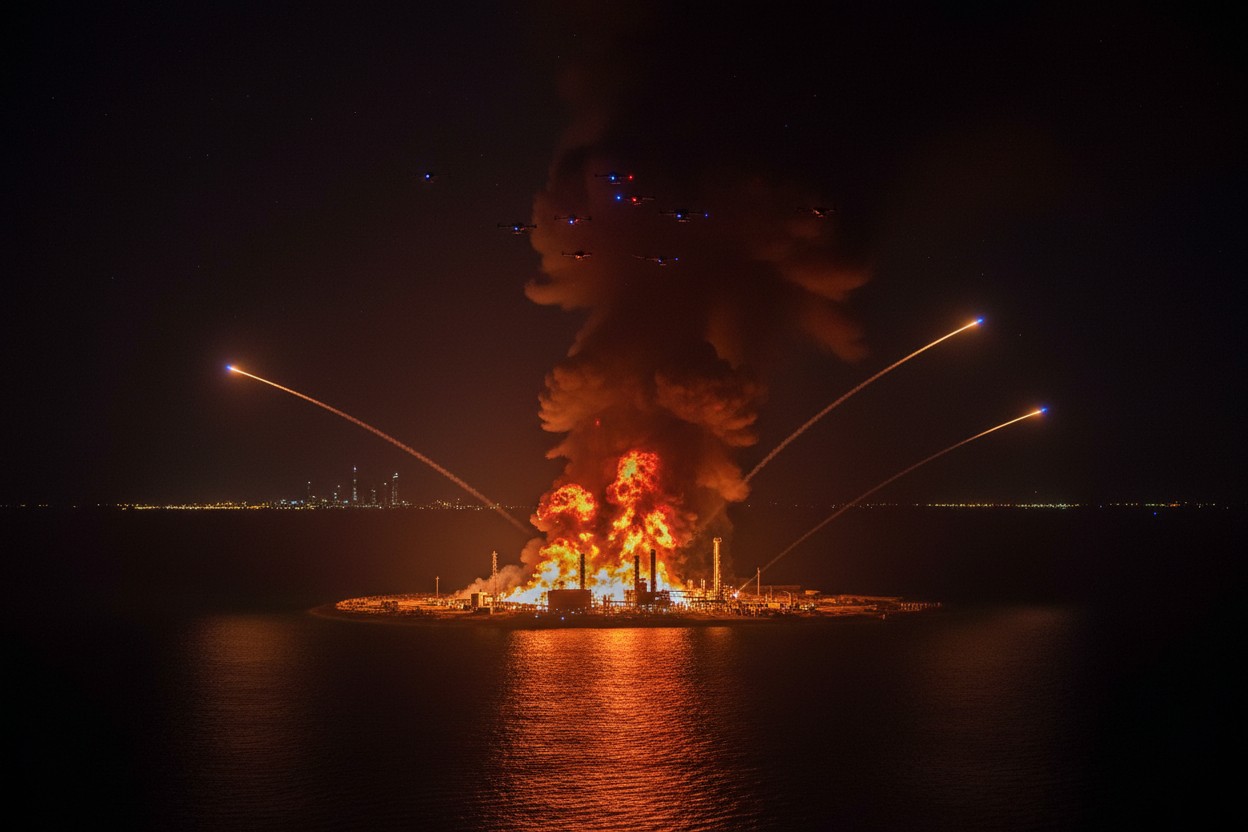
A new report from the Wall Street Journal (WSJ) has revealed that the United Arab Emirates (UAE) secretly participated in military strikes against Iran, including a significant attack on a refinery on Lavan Island in early April. The report, cited by Middle East Eye and the Antiwar.com blog, details a coordinated operation involving the UAE, the United States, and Israel. The UAE has not publicly acknowledged its involvement, while Iran has described the incident as an “enemy attack.” This development marks a major escalation in regional tensions and raises questions about the shifting alliances in the Middle East.
Table of Contents
- Key Details of the UAE-Led Strikes on Iran
- Background: UAE-Israel Relations and the Iran Threat
- Implications for Regional Security and Global Diplomacy
- Frequently Asked Questions (FAQ)
Key Details of the UAE-Led Strikes on Iran
According to the WSJ report, the UAE played a covert role in military operations targeting Iranian infrastructure. The most notable strike was on a refinery located on Lavan Island, a key energy hub in the Persian Gulf. The attack, which occurred in early April, was part of a broader campaign involving U.S. and Israeli forces. Iran has not officially blamed any specific country but has labeled the event an “enemy attack.” The UAE’s participation, if confirmed, would represent a significant shift in its foreign policy, as it has historically maintained a more neutral stance in conflicts involving Iran.
Background: UAE-Israel Relations and the Iran Threat
The report comes in the context of the Abraham Accords, which normalized relations between the UAE and Israel in 2020. Since then, the two nations have deepened military and intelligence cooperation, particularly regarding Iran’s nuclear program and regional influence. The UAE has increasingly viewed Iran as a direct threat to its security, especially given Iran’s support for proxy groups in Yemen and the Strait of Hormuz. This collaboration with the U.S. and Israel signals a new phase in the UAE’s strategic posture. [Internal Link: Learn more about the Abraham Accords and their impact on Middle East security.]
Implications for Regional Security and Global Diplomacy
The revelation of UAE involvement could further strain relations between Iran and Gulf states, potentially triggering retaliatory actions. It also highlights the growing alignment between Israel and Arab nations against Iran. For the U.S., this partnership strengthens its deterrence capabilities in the region but risks escalating conflicts. Global powers, including the UN and EU, may call for de-escalation. [External Link: Read the full Wall Street Journal report on the UAE-led strikes.] Meanwhile, energy markets could face volatility due to threats to Iranian oil infrastructure. [Internal Link: Explore how energy prices are affected by Middle East conflicts.]
Frequently Asked Questions (FAQ)
What did the UAE do in the military strikes on Iran?
According to the WSJ report, the UAE participated in military strikes against Iran, including an attack on a refinery on Lavan Island. The operation was coordinated with the U.S. and Israel.
Has the UAE confirmed its involvement?
No, the UAE has not publicly acknowledged its role in the strikes. The report is based on anonymous sources cited by the Wall Street Journal.
Why would the UAE target Iran?
The UAE views Iran as a regional threat due to its nuclear ambitions and support for proxy groups. The Abraham Accords with Israel have also fostered closer security cooperation against common adversaries.
How has Iran responded?
Iran has described the incident as an “enemy attack” but has not directly accused the UAE, US, or Israel. It may seek diplomatic or military retaliation.
What are the broader implications of this report?
The report suggests a new level of military coordination between the UAE, US, and Israel, potentially escalating tensions in the Middle East and affecting global energy markets. [External Link: See analysis from the Council on Foreign Relations on Gulf security dynamics.]
Comments (2)
This is a highly insightful piece. The shifts in the technological landscape are truly unprecedented and I'm eager to see how it affects global markets in the next quarter.
I completely agree with the points made here. However, I think the regulatory aspect will be the biggest hurdle moving forward before we see mass adoption.